
Because Details Matter...
Living Through a Whole Home Remodel: What to Expect (South Bend Homeowner’s Guide)
A whole home remodel is one of the most exciting ways to transform your space—but it’s also one of the most disruptive. If you’re planning a renovation in South Bend, Granger, Mishawaka, or across Northern Indiana and the Southern Lake Michigan region, one of the most important questions to ask isn’t just what will my home look like when it’s done? It’s what will life look like while it’s happening?
Understanding what to expect during a whole home remodel can help you prepare, reduce stress, and make better decisions before construction begins. Whether you’re staying in your home during the project or temporarily relocating, this guide will walk you through the realities of living through a major renovation—and how to handle it like a pro.

Can You Live in Your Home During a Whole Home Remodel?
The short answer is: sometimes—but it depends on the scope of your project.
If your remodel is limited to a few areas, such as a kitchen and one bathroom, it may be possible to live in your home with some adjustments. However, for full-scale remodels involving multiple rooms, structural changes, or major system updates, staying in your home can become impractical or even unsafe.
In many cases, homeowners in the South Bend area choose to temporarily relocate, especially when:
- Kitchens are fully removed or unusable
- Bathrooms are out of service
- Electrical or plumbing systems are being upgraded
- Flooring is being replaced throughout the home
Even if living on-site is technically possible, it’s important to weigh convenience against comfort and safety.
What Daily Life Looks Like During a Remodel
Living through a whole home remodel is very different from everyday life. Your routine will change, and flexibility becomes essential.
Noise and Activity
Construction noise is unavoidable. Expect:
- Power tools running throughout the day
- Hammering, cutting, and drilling
- Workers arriving early in the morning
For homeowners working remotely, this can be especially challenging. Planning alternative workspaces ahead of time can make a big difference.
Dust and Air Quality
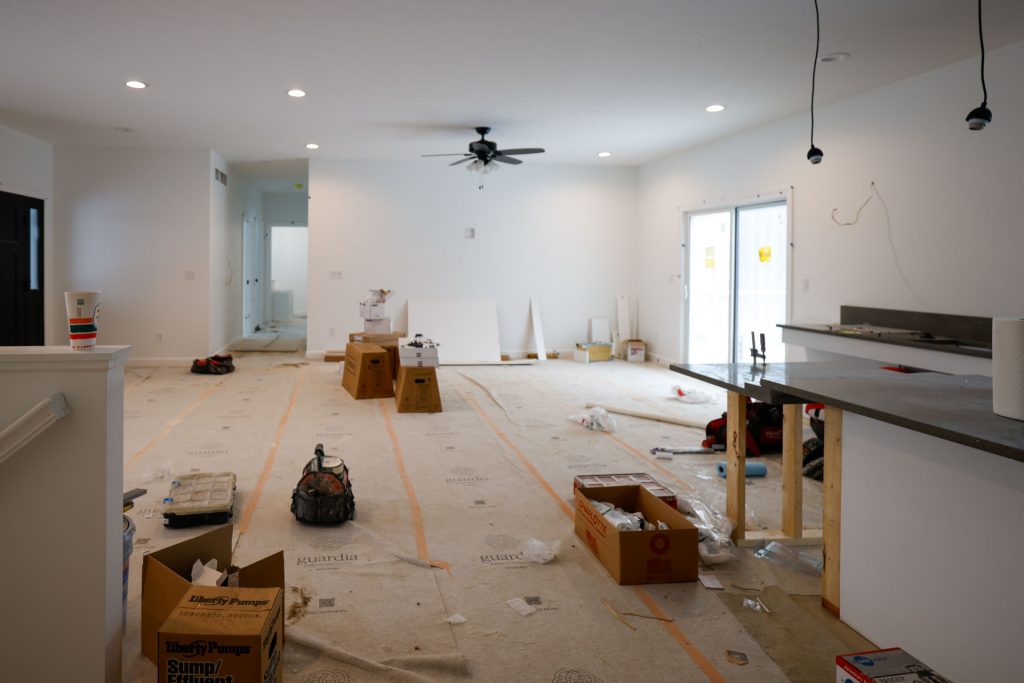
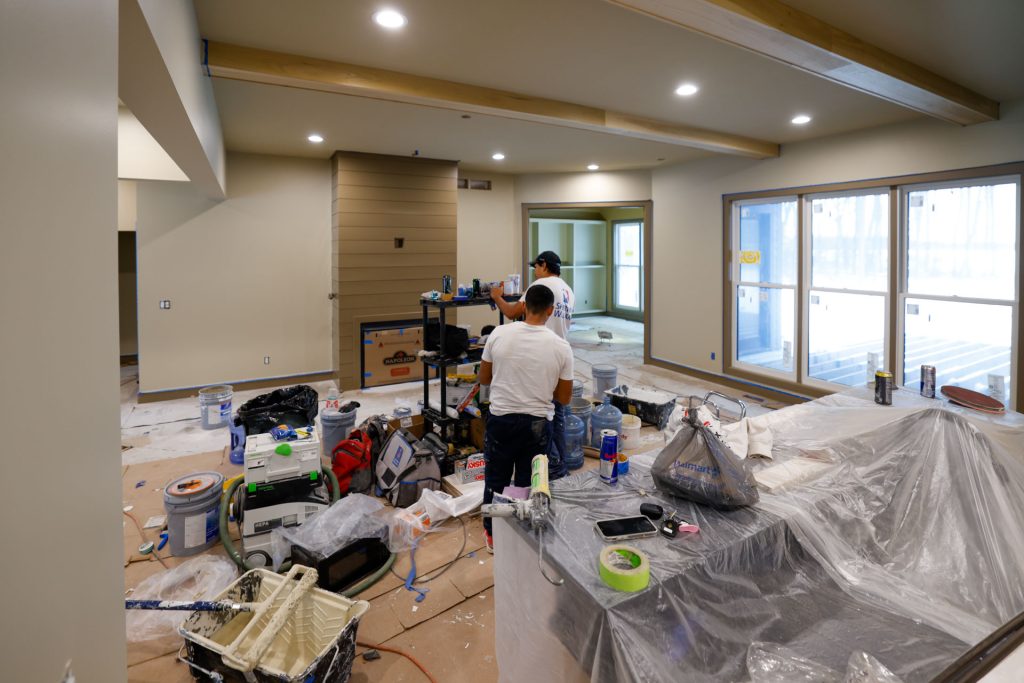
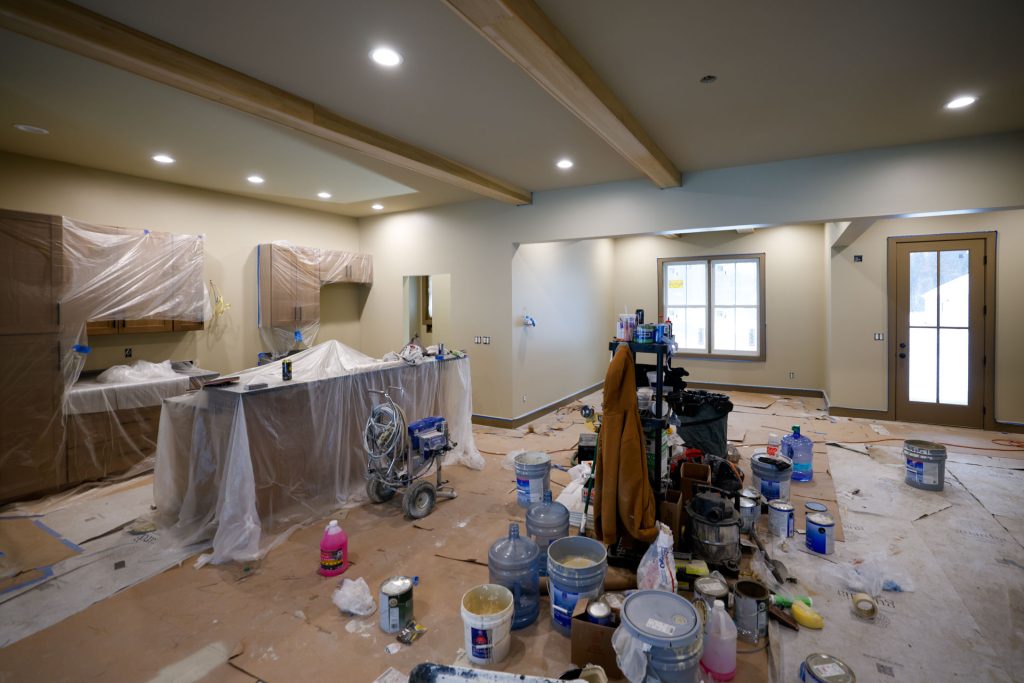
Even with professional dust control measures, remodeling creates debris and airborne particles.
You may notice:
- Dust settling on surfaces
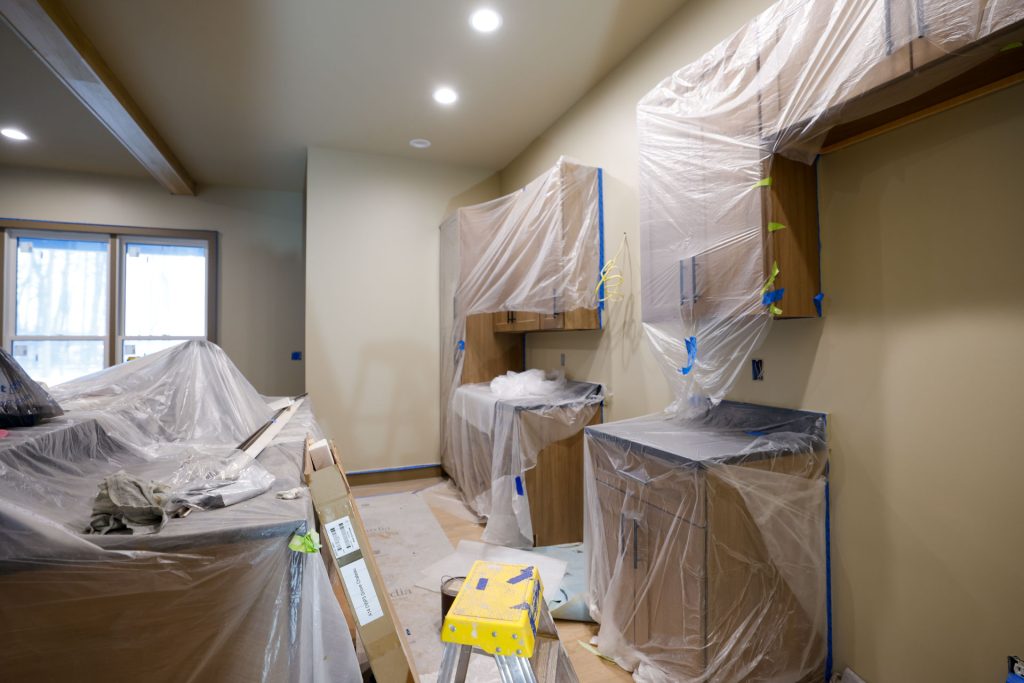
- Temporary plastic barriers between rooms
- Air filtration equipment running during construction
This is particularly important to consider for families with allergies, pets, or young children.
Limited Access to Key Spaces
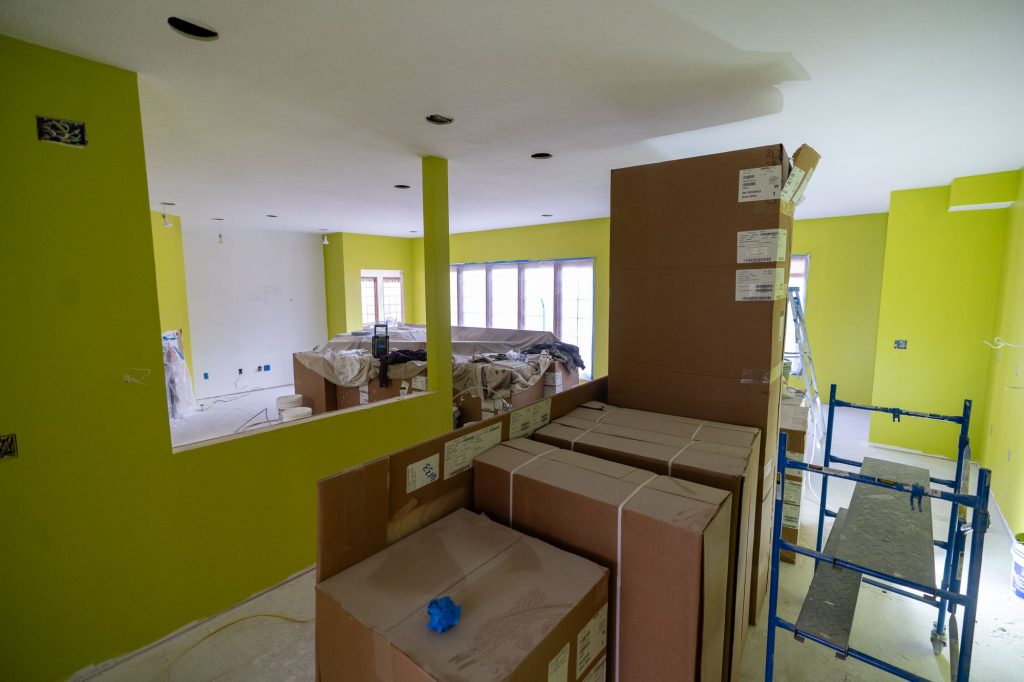
During different phases of the remodel, certain parts of your home may be completely off-limits.
This often includes:
- Kitchens during demolition and installation
- Bathrooms during plumbing and tile work
- Living areas during flooring replacement
Your home may feel smaller and less functional during these periods.

Setting Up Temporary Living Solutions
If you plan to stay in your home during the remodel, creating temporary solutions is essential.
Temporary Kitchen Setup
Without a functioning kitchen, many homeowners create a basic setup that includes:
- A microwave or toaster oven
- A mini fridge
- A coffee maker
- Disposable plates and utensils
Some families also rely more heavily on takeout or meal prepping in advance.
Bathroom Planning
If at least one bathroom remains functional, you’ll need to coordinate usage carefully. In larger remodels, portable restroom solutions may be brought in.
Creating “Safe Zones”
Designating a clean, quiet space away from construction can help maintain a sense of normalcy. This might be a bedroom, basement, or even a sectioned-off living area.

Timeline Expectations: How Long Will It Last?
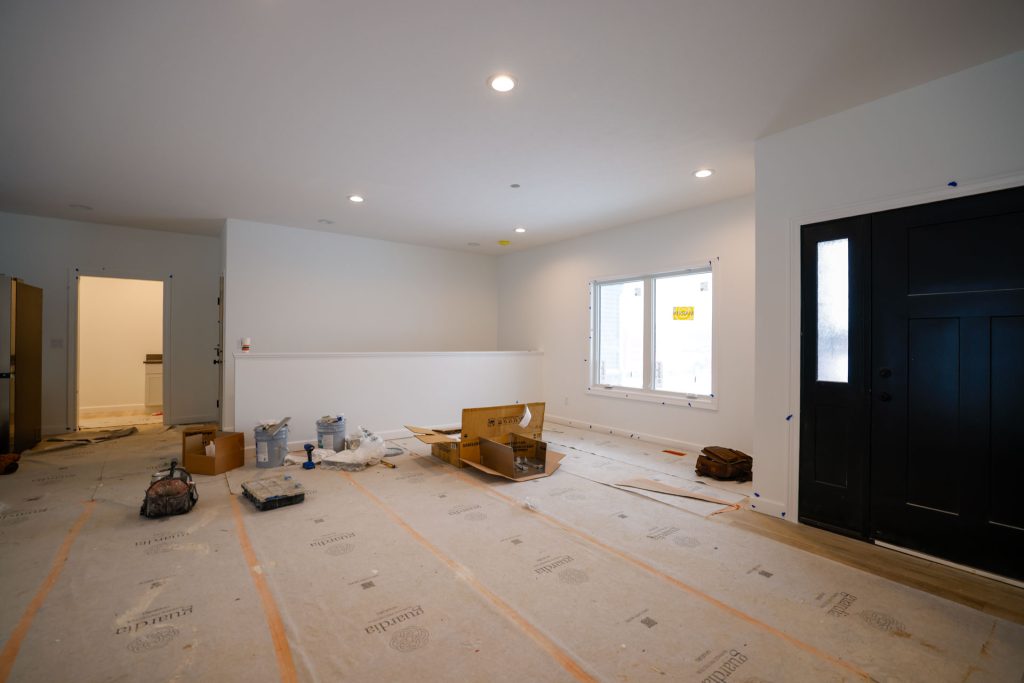
Whole home remodel timelines vary, but most projects fall within:
- 3 to 6 months for moderate remodels
- 6 to 12+ months for large or complex renovations
Factors that influence timeline include:
- Size of the home
- Scope of work
- Material availability
- Weather conditions (especially in Northern Indiana winters)
Delays can happen, so building flexibility into your expectations is key.
The Emotional Side of Remodeling
One of the most overlooked aspects of living through a remodel is the emotional impact.
It’s common to experience:
- Frustration with delays or disruptions
- Decision fatigue from constant choices
- Temporary regret during messy phases
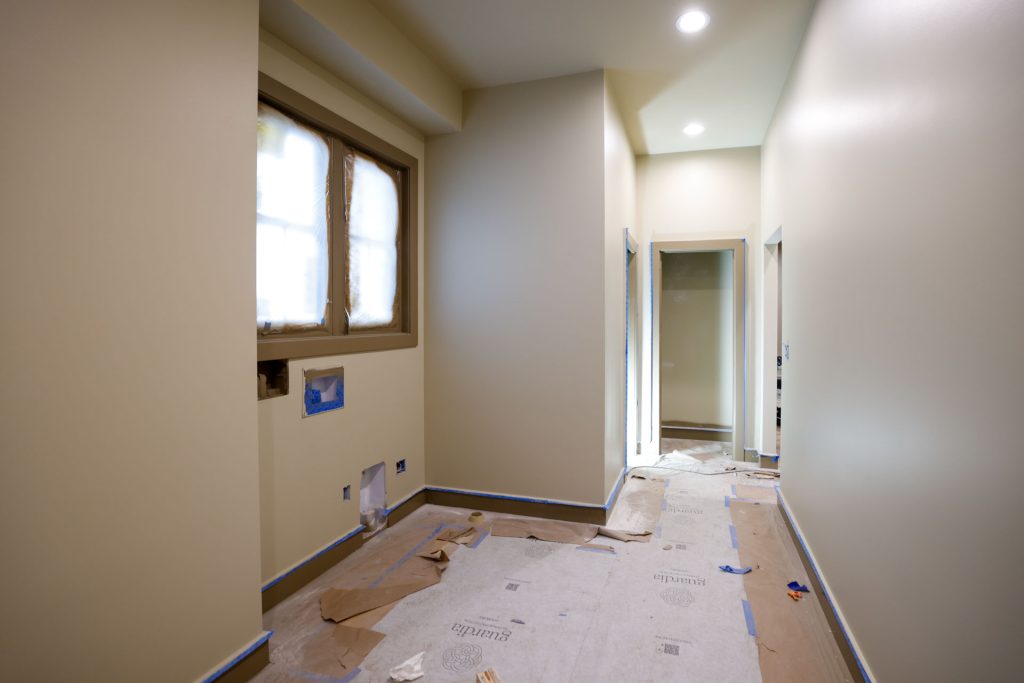
This is completely normal. Remodeling often looks worse before it gets better, especially during demolition and rough construction stages.
The key is to stay focused on the end result.
Tips for Reducing Stress During Your Remodel
While you can’t eliminate every inconvenience, you can make the process much smoother with the right approach.
Plan Ahead Before Construction Begins
The more decisions you finalize upfront, the fewer surprises you’ll encounter later. This includes:
- Materials and finishes
- Layout changes
- Fixture selections
A clear plan minimizes delays and unexpected costs.
Communicate Regularly with Your Contractor
Strong communication is one of the most important parts of a successful remodel.
Make sure you:
- Understand the weekly schedule
- Know when major disruptions will occur
- Have a point of contact for questions
Working with a design-build firm helps streamline communication throughout the project.
Prepare for the Unexpected
Even the best-planned remodels can uncover surprises, especially in older homes common throughout South Bend and surrounding communities.
Budgeting for contingencies (typically 10–20%) can help you handle unexpected repairs without added stress.
Consider Temporary Relocation
If your remodel is extensive, moving out temporarily may be the best decision.
Options include:
- Staying with family or friends
- Renting a short-term home or apartment
- Using extended-stay accommodations
While it adds an extra cost, it can significantly improve your day-to-day comfort.
Safety Considerations During a Remodel
Construction zones can be hazardous, especially for children and pets.
Key safety considerations include:
- Keeping kids and pets away from work areas
- Watching for exposed wiring or sharp materials
- Following contractor guidelines for restricted zones
A professional contractor will prioritize safety, but homeowner awareness is still important.
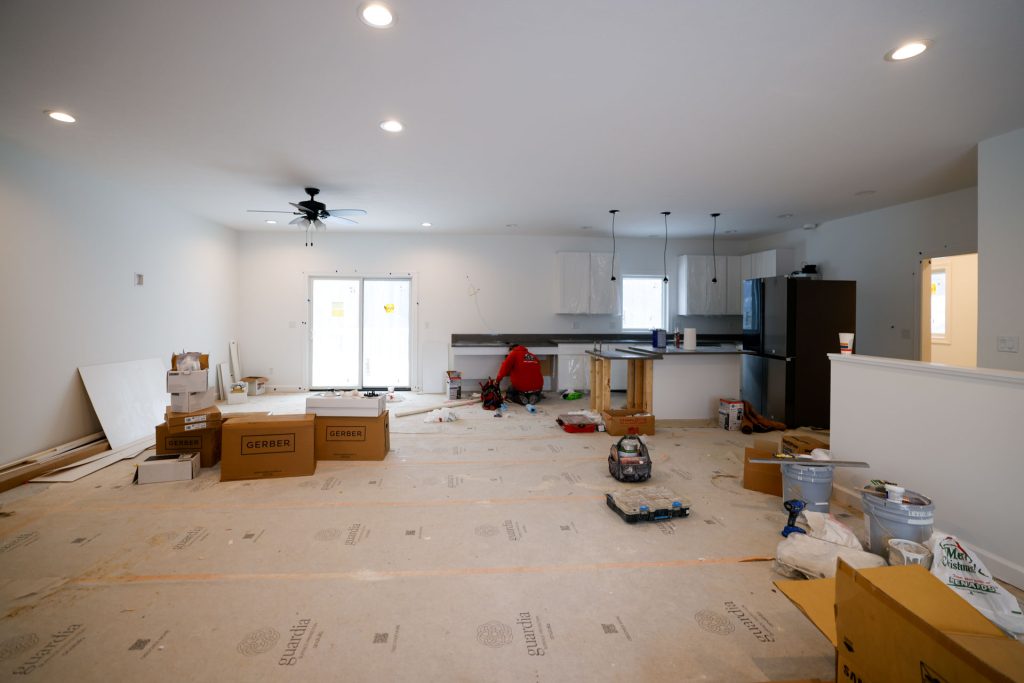
What Happens at Each Stage of the Remodel?
Understanding the phases of a remodel can help you mentally prepare for what’s ahead.
Demolition
This is often the messiest and loudest phase. Walls, flooring, and fixtures are removed, and your home may feel chaotic.
Rough Construction
Structural work, framing, plumbing, and electrical updates happen during this stage. It’s not visually appealing, but it’s critical to the integrity of your home.
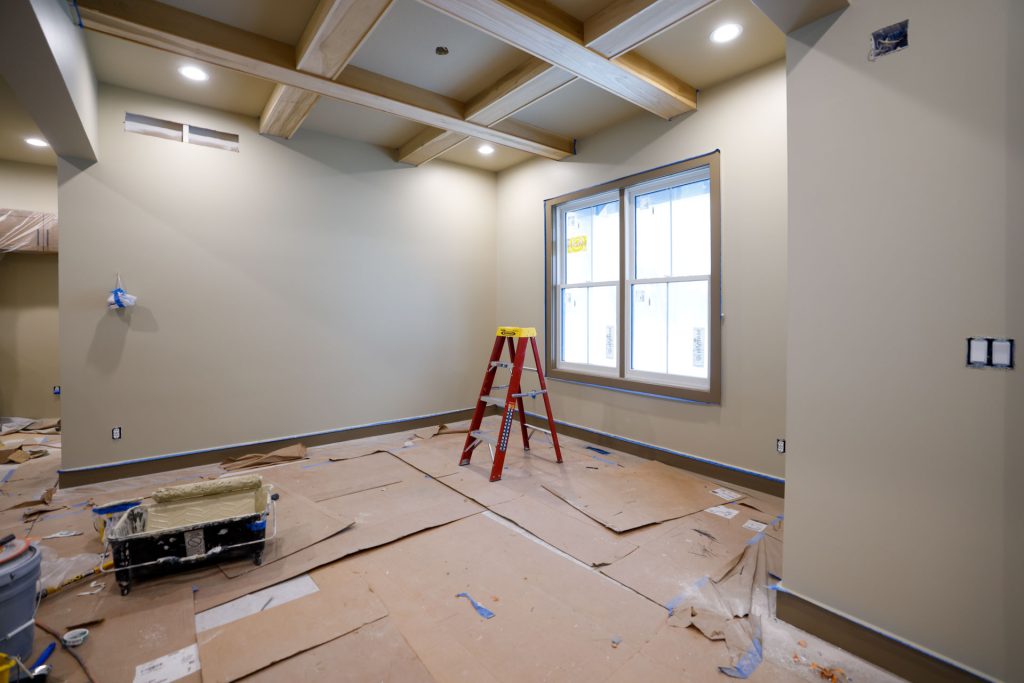
Installation and Finishes
This is when your home starts coming back together:
- Cabinets installed
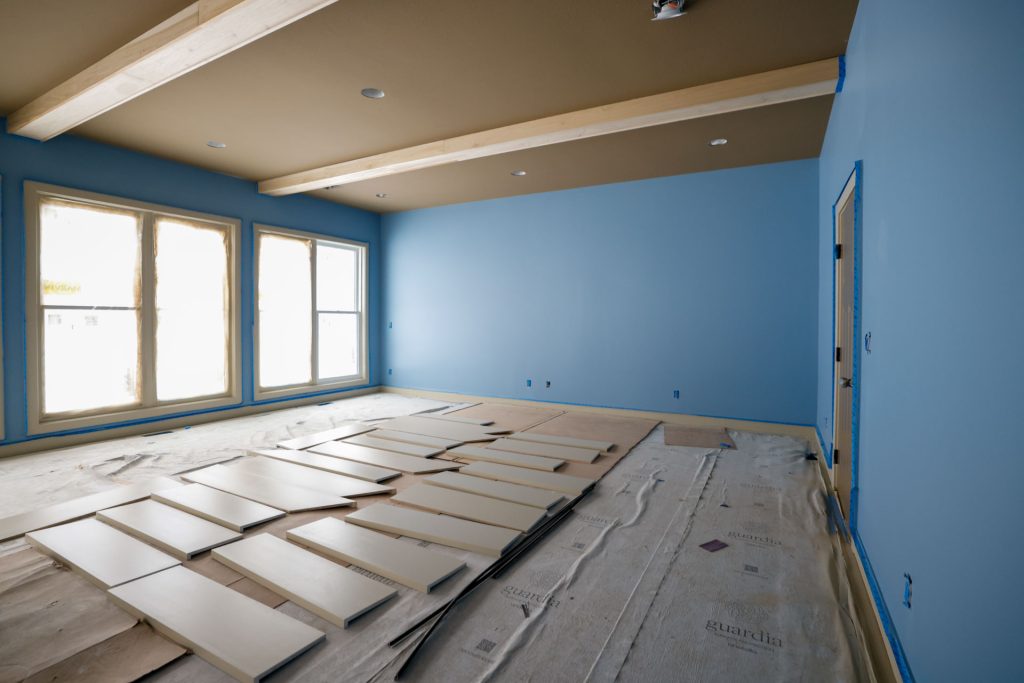
- Flooring laid
- Paint applied
- Fixtures added
This phase is where you begin to see your vision come to life.
Why Work with Homes by River Valley?
Choosing the right team can make all the difference when living through a remodel.
Homes by River Valley focuses on:
- Clear communication from start to finish
- Detailed planning to minimize disruptions
- High-quality craftsmanship
- Local expertise in South Bend, Granger, Mishawaka, and the Southern Lake Michigan region
Their design-build approach ensures that your project stays organized, efficient, and aligned with your expectations.
Start Your Home Remodel Journey
Living through a whole home remodel isn’t always easy—but with the right preparation and the right team, it can be a smooth and rewarding experience.
If you’re planning a remodel in South Bend or the surrounding Northern Indiana and Southern Lake Michigan areas, now is the time to start preparing.
Reach out to Homes by River Valley to begin your project with confidence—and take the first step toward a home that truly fits your life.
If you have more questions regarding building a custom home, feel free to give us a call – we’re more than happy to address any concerns you have as well as provide you with a fair quote for the job: (574) 210-5951